Keyframe-centric factorization
Concentrates reconstruction capacity on the keyframe and uses the other frames only to provide compact sub-pixel priors.
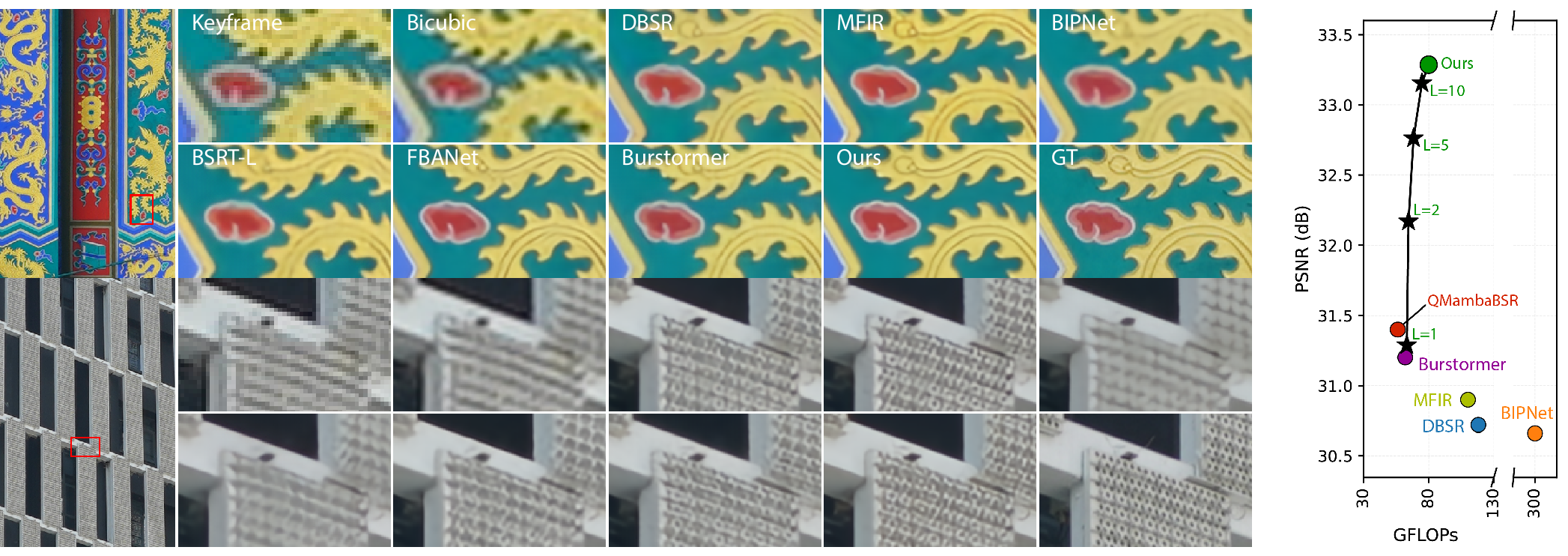
Burst image super-resolution (BISR) reconstructs a high-resolution keyframe by aggregating complementary sub-pixel evidence from a short burst of low-resolution frames. Existing methods often process all burst frames with heavy backbones or maintain deep cross-frame interaction throughout the network, leading to redundant computation on non-key frames and limiting scalability with burst length. We propose BurstMamba, a BISR architecture built on a simple principle: allocate most compute to reconstructing the keyframe, and process the burst primarily to extract sub-pixel priors. BurstMamba decouples BISR into a high-capacity keyframe super-resolution stream and a lightweight burst stream that interacts with it only through stage-wise residual injection. To improve burst-to-keyframe transfer, we introduce Gather → Aggregate → Scatter (GAS), which uses correspondence only for cross-frame message passing while preserving native-view features through a residual connection, and a wavelet-conditioned state update that biases selective routing toward high-frequency regions. Across SyntheticSR, RealBSR-RAW, and RealBSR-RGB, BurstMamba achieves state-of-the-art results.
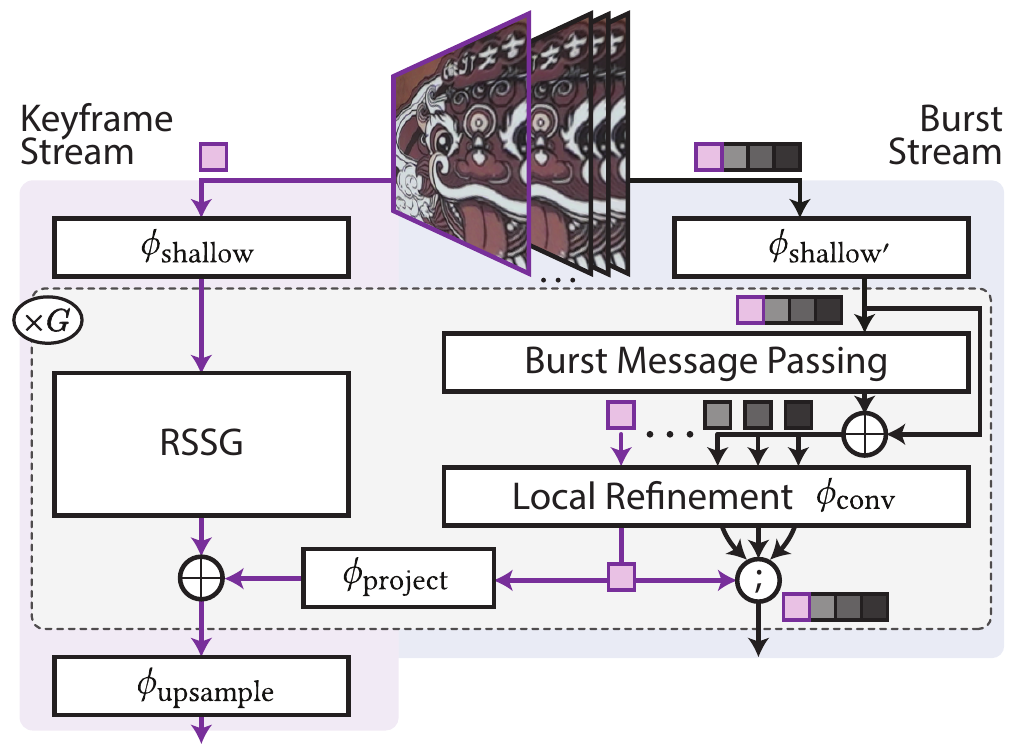
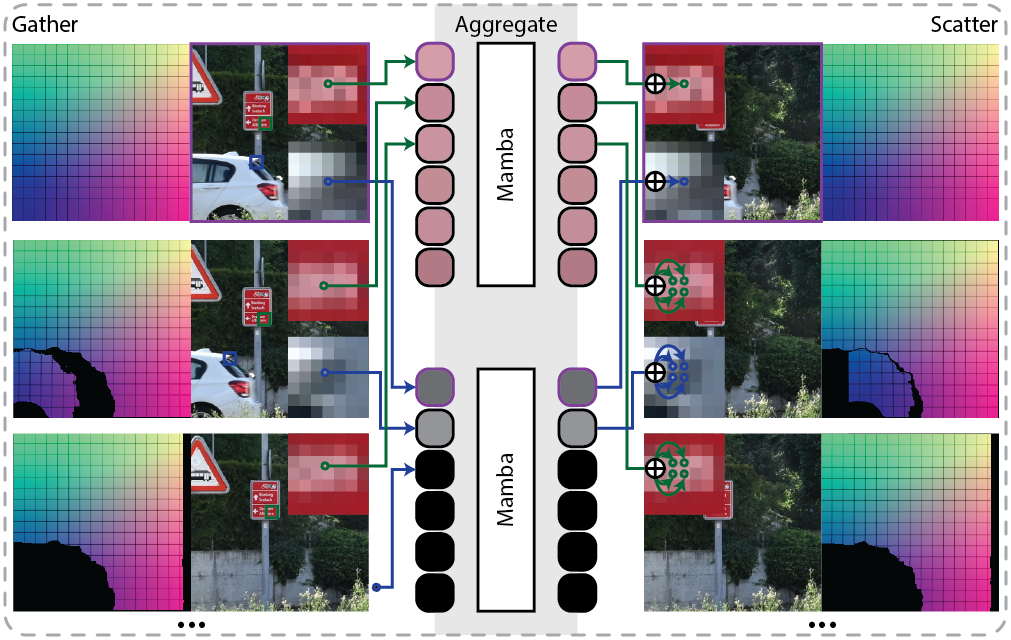
BurstMamba follows an asymmetric pipeline: the keyframe receives the high-capacity reconstruction path, while the remaining burst frames are processed by a lightweight stream that extracts compact sub-pixel priors. These priors are injected into the keyframe stream as stage-wise residuals, avoiding the cost of fully reconstructing every frame. Inside the burst stream, Gather → Aggregate → Scatter (GAS) uses correspondences only when exchanging information: matched features are gathered into keyframe coordinates, aggregated with bidirectional state-space modeling and wavelet-conditioned routing that emphasizes high-frequency evidence, then scattered back to the native frame coordinates. This preserves view-specific detail while directing the useful burst evidence to the final keyframe reconstruction.
Concentrates reconstruction capacity on the keyframe and uses the other frames only to provide compact sub-pixel priors.
Applies correspondence only during cross-frame message passing while retaining native-view features through residual paths.
Conditions selective state-space updates on wavelet cues so aggregation prioritizes high-frequency detail useful for super-resolution.
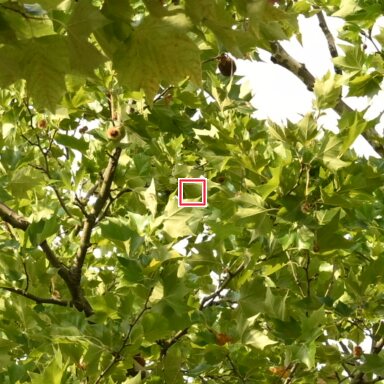
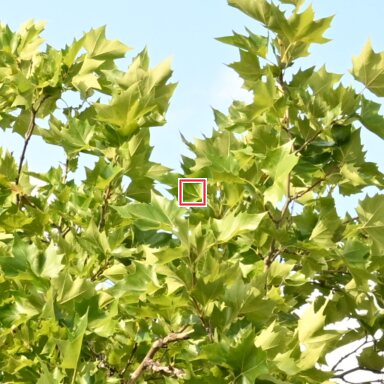
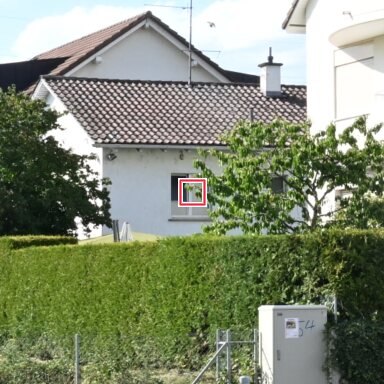
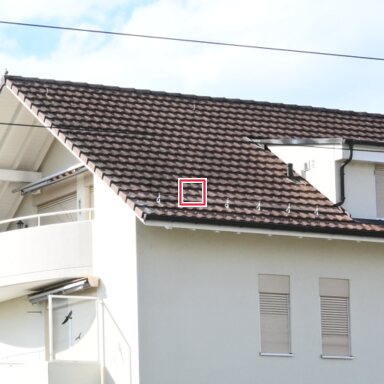
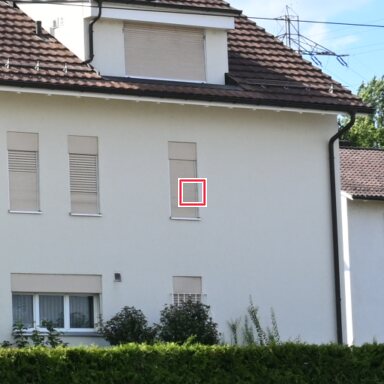
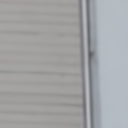
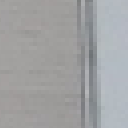
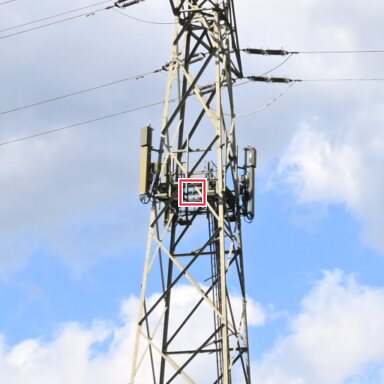
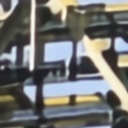
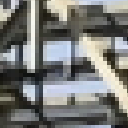
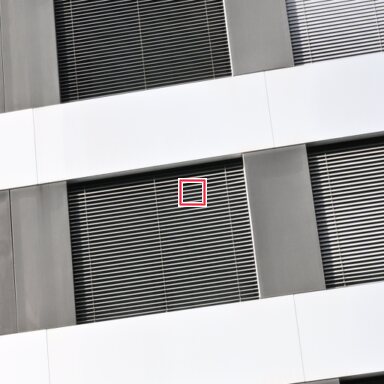
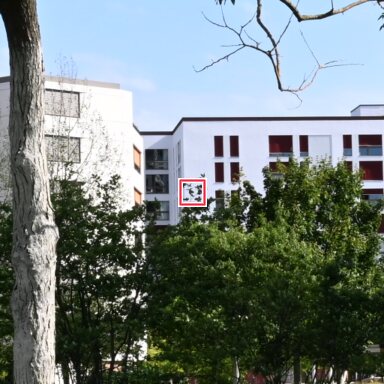
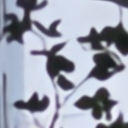
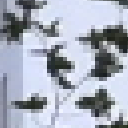
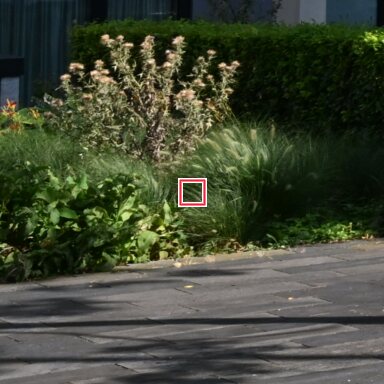
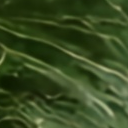
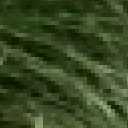
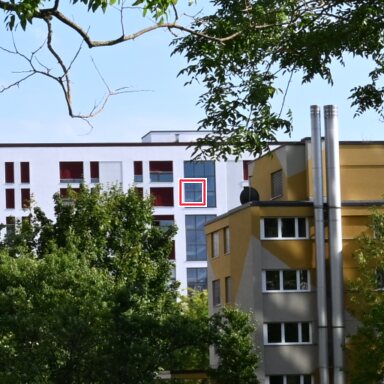
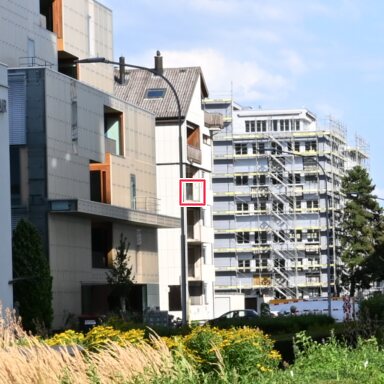
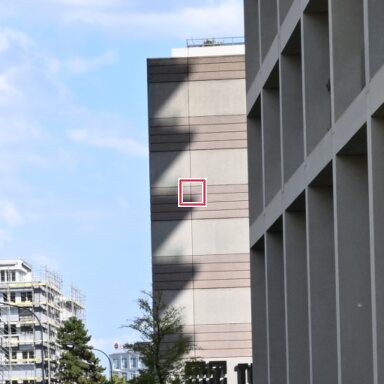
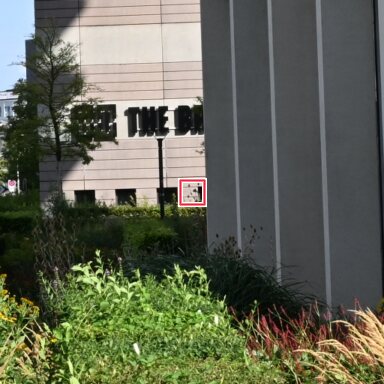
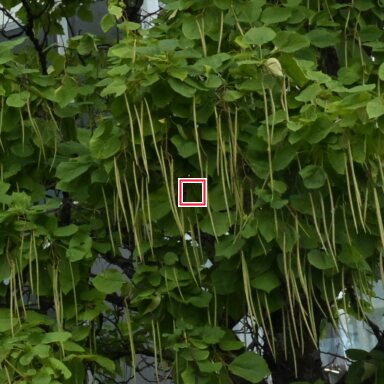
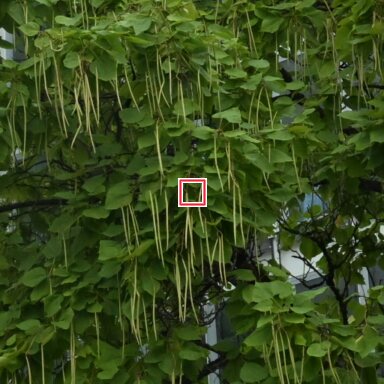
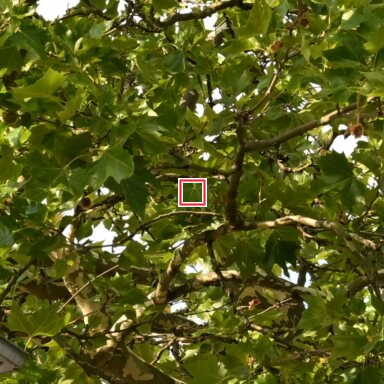
We collected this qualitative out-of-distribution dataset with a Nikon Z9 equipped with a NIKKOR Z 24–70mm f/2.8 S zoom lens. It emphasizes challenging cases underrepresented in RealBSR-RGB, including vegetation, local motion, and fine repetitive structures. The dataset contains 21 representative crop sequences with burst length L=14, all captured handheld with fixed exposure settings. The complete dataset and all BurstMamba and FBANet results can be downloaded using the Dataset link above.


@inproceedings{unal2026burstmamba,
  author    = {Unal, Ozan and Marty, Steven and Dai, Dengxin},
  title     = {Keyframe-Centric State-Space Modeling for Burst Image Super-Resolution},
  booktitle = {SIGGRAPH Asia 2026 Conference Papers},
  series    = {SA Conference Papers '26},
  year      = {2026},
  month     = {December},
  location  = {Kuala Lumpur, Malaysia},
  publisher = {Association for Computing Machinery},
  address   = {New York, NY, USA},
  isbn      = {979-8-4007-2842-6},
  doi       = {10.1145/3829340.3842160}
}